.png)
How to Prepare Financially for Homeownership
- Anita Bassi

- May 27
- 2 min read
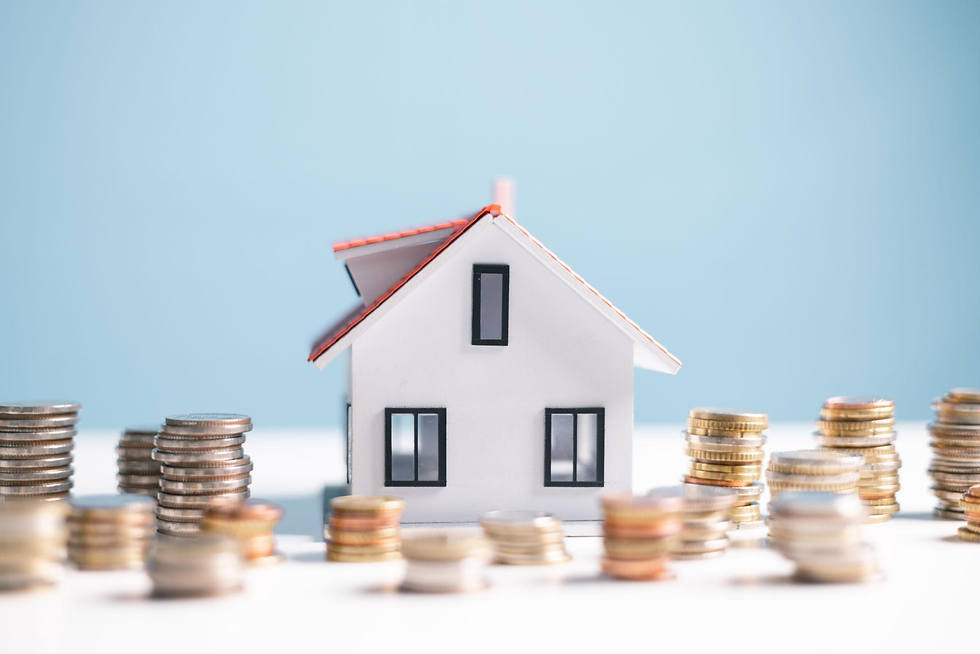
Buying a home is one of the biggest financial decisions many people will ever make. Proper preparation can help make the process smoother, reduce stress, and position buyers for long-term financial success. Understanding the key financial steps before purchasing a home can help buyers feel more confident and ready for homeownership.
Review Your Credit Score
Your credit score plays a major role in qualifying for a mortgage and determining your interest rate. Buyers with stronger credit scores often receive better loan terms and lower monthly payments.
Before applying for a mortgage:
Check your credit report for errors
Pay down outstanding debt
Avoid opening unnecessary credit accounts
Make all payments on time
Improving your credit score even slightly can save thousands of dollars over the life of a loan.
Save for a Down Payment
One of the most important financial goals is saving for a down payment. While some loans allow smaller down payments, having more saved can reduce monthly mortgage costs and potentially eliminate private mortgage insurance (PMI).
In addition to the down payment, buyers should also budget for:
Closing costs
Moving expenses
Home inspections
Initial repairs or upgrades
Emergency savings
Understand Your Budget
Before shopping for a home, it’s important to determine how much house you can realistically afford. Buyers should consider their total monthly expenses, including:
Mortgage payments
Property taxes
Homeowners insurance
Utilities
HOA fees
Maintenance costs
Lenders may approve higher amounts than what feels comfortable financially, so buyers should create a budget that supports long-term stability.
Reduce Existing Debt
Lower debt levels can improve mortgage approval chances and help buyers qualify for better loan terms. Paying down high-interest debt such as credit cards or personal loans can strengthen overall financial health.
A lower debt-to-income ratio also makes monthly homeownership costs more manageable.
Build an Emergency Fund
Owning a home comes with unexpected expenses, from appliance repairs to roof maintenance. Having an emergency fund helps homeowners handle surprises without financial strain.
Many financial experts recommend saving:
Three to six months of living expenses
Additional funds for home maintenance and repairs
Get Pre-Approved for a Mortgage
Mortgage pre-approval gives buyers a better understanding of their price range and shows sellers they are serious and financially prepared.
During pre-approval, lenders typically review:
Income
Employment history
Credit score
Assets and savings
Existing debts
Pre-approval can also help speed up the buying process once the right home is found.
Plan for Ongoing Homeownership Costs
Many first-time buyers focus only on the purchase price, but homeownership also includes ongoing responsibilities and expenses. Buyers should prepare for:
Routine maintenance
Landscaping
Appliance replacement
Property tax increases
Insurance adjustments
Planning ahead can help prevent financial stress after moving into a new home.
Final Thoughts
Preparing financially for homeownership takes planning, discipline, and realistic budgeting. By improving credit, saving consistently, reducing debt, and understanding the full costs of owning a home, buyers can build a strong financial foundation and enjoy a more successful and rewarding homeownership experience.


Comments